
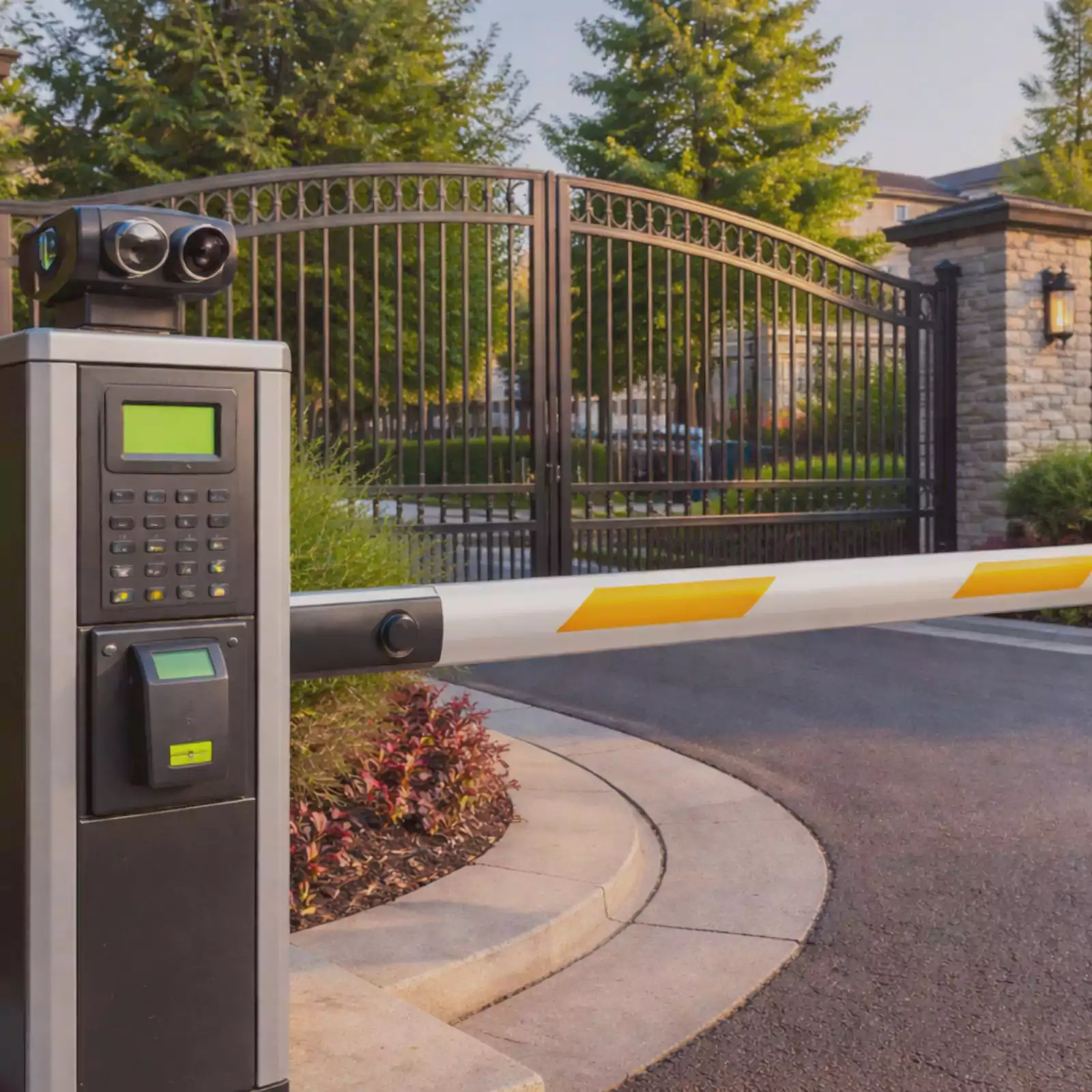
Most people think a gated community is safe by default. There is a gate. There is a fence. That should be enough. But it usually is not.
The security features for gated communities that truly protect residents go far beyond a single gate at the entrance. A gate can slow down unwanted traffic. It cannot watch the pool area, track visitor activity, protect shared buildings, or help during an emergency.
That is where many HOA boards and property managers run into trouble. They install a gate, assume the job is done, and later find out there are still serious gaps.
So what should a gated community actually have in place?
At a minimum, the right setup should include controlled access, smart gate entry, visitor tools, HD video surveillance, license plate recognition, perimeter protection, alarm monitoring, intrusion detection, fire safety, and one platform that brings everything together.
Here is a closer look at the 10 most important security features for gated communities and why each one matters.
What Security Features should Every Gated Community have?
The most important security features for gated communities include access control, smart gate entry, visitor management, video surveillance, license plate recognition, perimeter monitoring, alarm monitoring, intrusion detection, fire alarm systems, and integrated security management.
A gate by itself is not enough. The best results come from systems that work together across entrances, common areas, shared buildings, and perimeter zones.
Quick Glance: 10 Must-Have Security Features
- Controlled Access Management.
- Smart Gate Entry Systems.
- Visitor Management and Intercom Access.
- High-Definition Video Surveillance.
- License Plate Recognition Technology.
- Perimeter Security Monitoring.
- 24/7 Alarm Monitoring.
- Intrusion Detection for Shared Buildings.
- Fire Alarm and Life Safety Protection.
- Integrated Security System Management.
Why Security Features for Gated Communities Matter
A front gate is a starting point. It is not a full security plan.
Think about what a standard gate does not do. It does not check who is walking through a side entrance. It does not watch over the clubhouse late at night. And it does not send an alert when someone forces open a locked maintenance room.
That is why communities still deal with problems like:
- Unauthorized vehicles are following residents through the gate.
- Visitors are entering without proper approval.
- Package theft in shared areas.
- Vandalism in parking lots, pool zones, and amenity spaces.
- Weak coverage around fences and side entrances.
- Slow response when no monitored alert system is in place.
Good gated community security does not rely on one device. It uses several layers of protection that work together.
1) Controlled Access Management
Controlled access management is the foundation of strong community security.
This system controls who can enter, when they can enter, and which doors or gates they can use. It can work with key cards, fobs, mobile credentials, PIN codes, or even biometric tools in some settings.
This matters because communities have constant movement. Residents come and go every day. Guests arrive. Vendors need access. Maintenance staff move between shared spaces.
Without proper access control systems, it becomes very hard to manage who belongs on the property and who does not.
A good system helps with resident access, vendor permissions, staff entry, and activity tracking. It also creates a clear record of who entered and when. That record becomes very useful if an incident needs to be reviewed later.
2) Smart Gate Entry Systems
A smart gate does more than open and close.
It connects the main entrance to the rest of the security system. That means gate access can be tied to resident credentials, schedules, remote controls, and management tools.
This gives property managers more flexibility. For example, a contractor can be given temporary access during work hours only. Staff can open the gate remotely when needed. The community can also manage entry rules more easily during busy times of day.

Smart gate systems help reduce delays without giving up control. They also cut down on problems caused by shared gate codes, lost remotes, or outdated entry methods.
When tied to access control and visitor tools, the gate becomes part of a stronger system instead of acting like a standalone barrier.
3) Visitor Management and Intercom Access
Visitors create one of the biggest security gaps in any gated community.
Friends, delivery drivers, contractors, and service providers may all need entry. Without a clear process, that traffic becomes hard to manage.
A visitor management system helps screen and log guests before they enter. A video intercom allows residents or staff to verify who is at the gate before granting access.
This makes entry more secure and more convenient. Residents can approve guests from their phones. Property managers can keep a record of visitor activity. Delivery access can be handled more clearly. Communities without full-time guards also benefit because the system fills an important gap.
This is one of the most practical security features for gated communities because it improves both safety and day-to-day operations.
4) High-Definition Video Surveillance
A video surveillance system gives your community eyes on the property.
A proper camera system should cover more than the main gate. It should also watch parking areas, mail areas, pool zones, playgrounds, clubhouses, side entrances, and other shared spaces.
That matters because many incidents do not happen at the entrance. They happen where visibility is weak.
High-definition video surveillance systems help deter bad behavior. They also help property managers review incidents, confirm activity, and share useful evidence with law enforcement if needed.
One of the most common problems in older setups is poor camera placement. There may be cameras on the property, but they leave blind spots where issues still happen. A well-designed surveillance system closes those gaps.

5) License Plate Recognition Technology
License plate recognition, or LPR, adds another layer of control at vehicle entry points.
This system reads and records plate numbers as vehicles enter or leave the property. It creates a time-stamped log automatically.
That makes investigations much easier. If there is a break-in, theft, or suspicious vehicle complaint, management has a record of which cars entered the property and when.
LPR can also improve daily convenience. Approved resident vehicles can be recognized at the gate. Unknown vehicles can be directed to use the intercom or another verification method.
For larger communities with heavy traffic, LPR reduces friction while maintaining a strong vehicle access record.
6) Perimeter Security Monitoring
Not every threat comes through the front gate.
Some start at a fence line, a side entrance, or a quiet corner of the property with poor lighting or no camera coverage.
Perimeter security monitoring helps close those gaps. It can include motion-triggered cameras, fence-line coverage, intrusion alerts, and monitored perimeter zones.
This gives the community early warning. Instead of waiting until someone has already crossed deep into the property, staff or a monitoring center can be alerted sooner.
That is especially important for larger communities, properties with multiple access points, or layouts with wide outer boundaries.
7) 24/7 Alarm Monitoring
Security technology works better when someone is ready to act on it.
A monitored system connects alarms, sensors, and alerts to a professional response team. If something triggers, trained operators can review the signal and help dispatch the right response.
This matters because unmonitored systems depend on someone noticing a problem. That can take too long, especially overnight or on weekends.
With 24/7 alarm monitoring systems, gate tampering, intrusion alerts, panic signals, and other critical events do not just sit in the system waiting for someone to see them.
For HOAs and property managers, this also removes some of the pressure of trying to manage live incidents on their own.
8) Intrusion Detection for Shared Buildings
Many communities focus on the gate and forget about what is inside the property.
Clubhouses, fitness rooms, storage spaces, leasing offices, maintenance buildings, and mail rooms all need protection, too. Intrusion detection systems use door contacts, motion sensors, glass-break detectors, and automatic alerts to protect these indoor spaces.
This is especially useful after hours when buildings should be empty. If someone forces a door open or enters a restricted area, the system can trigger an alert right away.
These systems help protect valuable equipment, resident information, and shared property assets. They also show that the community has taken reasonable steps to secure its buildings.
9) Fire Alarm and Life Safety Protection
Security is not only about crime. It is also about keeping people safe during emergencies.
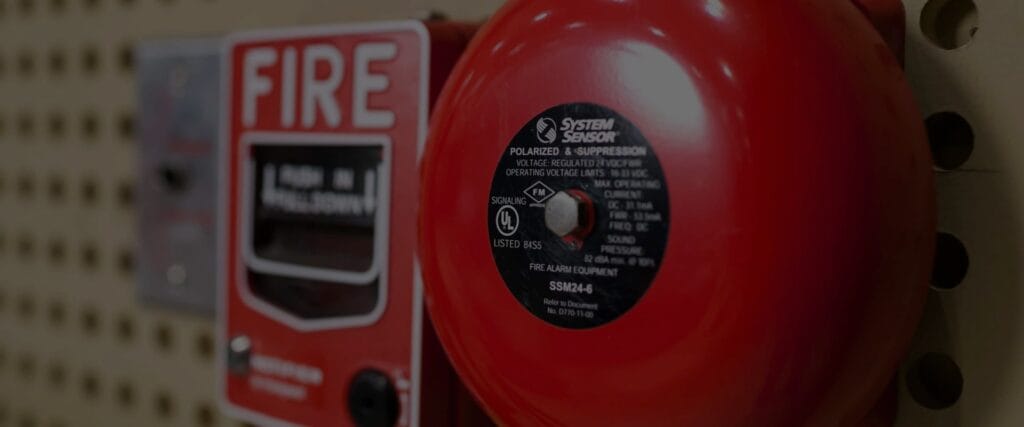
That is why fire alarms and life safety systems matter so much in gated communities. Shared buildings like clubhouses, offices, gyms, and amenity spaces all need reliable fire detection and proper alerting.
If smoke or heat is detected, a monitored system can help speed up the response. That can make a major difference, especially after business hours or when a building is empty.
Fire protection should never be treated as an optional extra. It is one of the most important responsibilities a community has to its residents, staff, and visitors.
10) Integrated Security System Management
This is the feature that ties everything together.
Without integration, each system works on its own. The cameras are separate from access control. The alarms do not connect well with gate activity. Visitor logs sit in a different place from surveillance footage.
That slows everything down.
An integrated system brings access control, cameras, alarms, intercoms, and monitoring into one place. This makes it easier to see the full picture and respond quickly.
For example, if a gate alarm goes off, the right camera feed can be pulled up right away. If a credential is used at an unusual time, the related video can be reviewed faster. If a perimeter alert is triggered, the monitoring team has better information from the start.
This is where strong community security becomes easier to manage.
What Happens When These Systems Work Together
Each feature on this list is useful by itself.
Together, they are much more effective.
Picture a late-night incident. A vehicle enters the gate. Its plate is logged. A person gets out near a dark perimeter zone. A sensor detects movement. The monitoring team pulls up the nearby camera and sees what is happening in real time.
That is a very different situation from having a gate, a few cameras, and disconnected alarms that do not tell the full story.
Integrated systems help communities move from reactive security to proactive security.
How to Choose the Right Setup for Your Community
Not every community needs the exact same setup.
A smaller neighborhood may need a simpler plan than a large gated property with several entrances, shared amenities, and high daily traffic.
Start with the layout. Look at how many entry points the property has, where the blind spots are, and which shared spaces need coverage.
Then think about daily use. A community with frequent visitors, deliveries, and vendors may need stronger visitor tools and better vehicle tracking. A property with clubhouses, gyms, and storage spaces may need more intrusion and fire protection.
Budget matters too. Many communities build their systems in phases. That is fine, as long as the pieces are chosen with future integration in mind.
The goal is not just to buy a few products. The goal is to build a security plan that fits the way the property actually works.
Protecting Residents Starts With the Right Security Strategy
Residents choose gated communities because they want to feel safe.
That sense of safety should be backed by systems that actually protect the property, the people who live there, and the shared spaces everyone uses.
The right security features for gated communities make daily life smoother and safer at the same time. Entry is easier to manage. Common areas are better watched. Shared buildings are more secure. Emergencies can be handled faster.
At Titan Alarm, we help HOA boards, property managers, and community developers build security systems that fit real gated community needs. That includes access control, cameras, intrusion detection, alarm monitoring, fire protection, and integrated system design.
If your community is reviewing its current setup or planning improvements, this is the right time to identify gaps and determine what should be connected.
FAQs;
What is the most important security feature for a gated community?
Access control is usually the starting point because it manages who can enter the property and when. Still, the best protection comes from combining access control with cameras, monitoring, and life safety systems.
How does license plate recognition help a gated community?
License plate recognition logs every vehicle entering or exiting the property. This helps with investigations, improves gate oversight, and can support faster response when suspicious vehicles appear.
Do gated communities need fire alarm systems?
Yes. Shared buildings such as clubhouses, gyms, and offices require proper fire alarm and life safety protection. Fire safety is a core part of protecting residents and property.
Can residents approve guests remotely?
Yes. Modern visitor management systems often let residents approve guests through a smartphone app or video intercom, even when they are away from home.
What is the difference between monitored and unmonitored security?
An unmonitored system records activity or sounds an alarm, but it does not automatically notify a response team. A monitored system sends alerts to trained operators who can review the signal and assist with dispatch.