

A smart home is a home where connected devices, security systems, sensors, cameras, locks, lighting, thermostats, alarms, and mobile apps work together. You can control them from one place, automate everyday tasks, and get real-time alerts about what is happening at home, even when you are away.
You leave for work, and a few hours later, your phone buzzes. Motion detected at the front door. You open the app, see the live camera feed, and check that everything is fine. Just a quick look from wherever you are.
That is what most Arizona homeowners are really asking about when they search “what is a smart home.” Not a robot vacuum. Not a voice assistant playing music. They want more control, faster alerts, and better protection when they are not home.
A smart home brings all of that into one connected system.
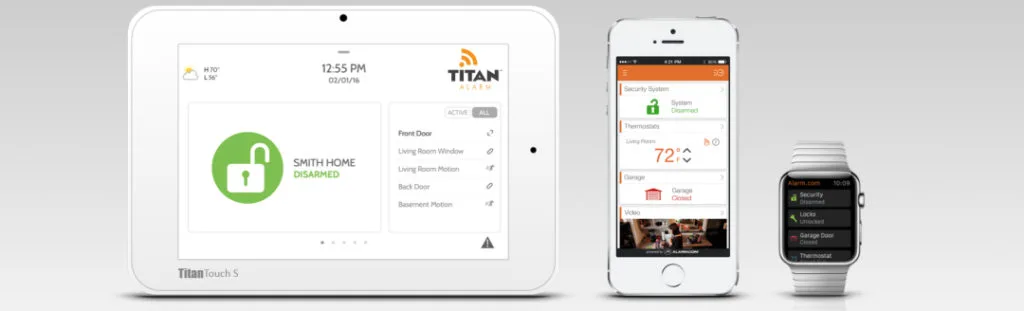
A smart home is a connected home. Devices talk to each other through Wi-Fi, a central hub, or a smart panel, and you control them from a single app on your phone.
In a basic setup, you might have a few smart lights and a video doorbell. In a fuller system, you have security cameras, smart locks, motion sensors, smoke and carbon monoxide detectors, a thermostat, garage controls, and a professionally monitored alarm.
The point is not to fill the house with gadgets. The point is to make the home easier to control and easier to protect.
How Does a Smart Home Work?
A smart home works through three layers: devices, a network, and a control system.
The devices are the cameras, sensors, locks, thermostats, and detectors installed around the home. Each one collects information or performs an action, like recording motion, unlocking a door, or sounding an alarm.
The network connects them. Most smart home devices use Wi-Fi, while some use lower-power protocols like Z-Wave or Zigbee that run through a hub or smart panel.
The control layer is the app or smart panel you use to see what is happening and tell the system what to do. A professionally installed smart home system usually adds a fourth layer: a monitoring center that watches for alarms 24/7 and dispatches help when needed.
You do not need to be a tech person to use one. A good system hides the wiring and shows you a clean app.
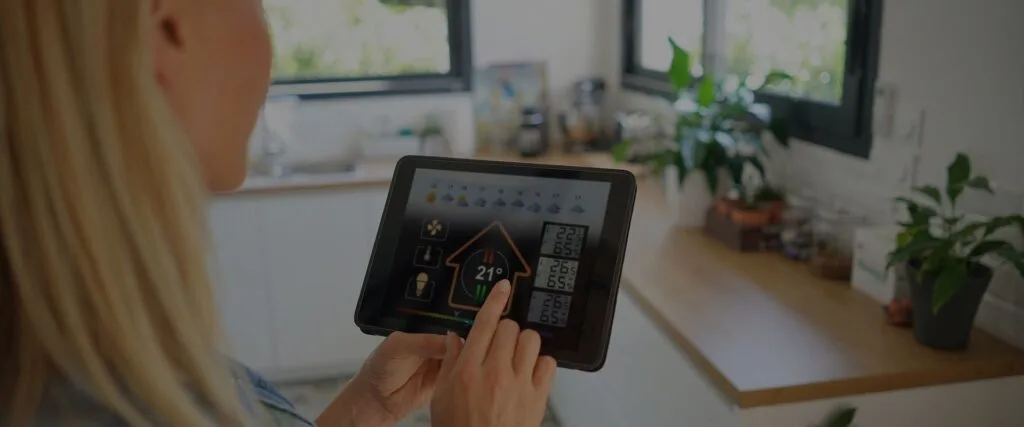
What Are the Main Features of a Smart Home?
A modern smart home usually combines security, safety, and convenience features. The most common ones include:
- Smart locks that let you lock or unlock the door from your phone and create temporary codes for family or service visits
- Security cameras and video doorbells for live view, recorded clips, and motion alerts
- Motion sensors and door/window contacts that detect entry and trigger alarms
- Smart smoke and carbon monoxide detectors that send alerts to your phone, not just a beep in an empty house
- Water leak sensors for slab leaks and water heater failures, which matter in Arizona
- Smart thermostats that adjust cooling automatically and cut energy waste
- Smart lighting you can schedule, dim, or trigger with motion
- Garage door controls so you never have to drive back to check
- Mobile alerts and a single app that ties it all together
The exact mix depends on the home and the homeowner. A family with kids and pets will lean on cameras and smart locks. A snowbird who travels often will lean on remote monitoring and water sensors.
How Does a Smart Home Improve Security?
This is where a smart home stops being a convenience and starts being a real safety upgrade.
A traditional alarm sounds inside the home, and hopes someone hears it. A smart security system does more. It detects, verifies, and notifies, all within seconds.
Here is what that looks like in practice:
- Real-time alerts when a door opens, a window breaks, or motion is detected in a restricted zone
- Remote access so you can arm, disarm, lock, or unlock from anywhere
- Video verification through indoor and outdoor cameras, so you can confirm whether the alert is a real threat or your dog walking past a sensor
- Smart locks that record who came in and when, and let you revoke access instantly
- Professional monitoring that contacts emergency services even if you miss the alert
- Intrusion detection that links sensors, cameras, and the alarm panel into one response
A smart system will not stop every bad thing from happening. No system can promise that. But it shortens the gap between something going wrong and someone knowing about it, and that gap is where most security outcomes are decided.
Smart Home Automation vs Home Security: What Is the Difference?
The two terms get used as if they mean the same thing. They do not.
- Home automation focuses on convenience. Lights that turn on at sunset. A thermostat that learns your schedule. A garage door that closes when you leave the driveway.
- Home security focuses on protection. Alarm panels, cameras, motion sensors, monitored smoke detectors, and professional response.
Both work better together. Automation routines can support security, such as turning on lights when a motion sensor triggers at night or automatically arming the alarm at bedtime. A well-designed system blends the two, giving you convenience without sacrificing protection.
How Smart Homes Help With Fire and Life Safety
Standard battery-powered smoke alarms do one job: they make noise. That is helpful when you are home and asleep. It is useless when you are at the office, and the kitchen fills with smoke.
A smart, monitored fire and life safety setup changes that picture. Smart smoke detectors and carbon monoxide alarms send alerts to your phone the moment they trigger. When tied into a professional fire alarm system, the monitoring center can dispatch the fire department even if no one is home to hear the alarm.
According to the National Fire Protection Association, working smoke alarms cut the risk of dying in a reported home fire roughly in half. A monitored smart system extends that protection by making sure someone responds, not just hears the beep.
The same applies to carbon monoxide, which has no smell and no warning. A connected detector alerts both the home and the monitoring center, and that early warning is what matters.
What Are the Benefits of a Smart Home for Arizona Homeowners?
Arizona homes face a specific set of conditions. The summer heat is brutal on equipment and energy bills. Many homeowners travel during peak months or own second properties. Properties are often spread out, with long driveways and detached garages.
A smart home addresses each of those:
- Cooling control during Arizona summers: A smart thermostat can pre-cool the home before you arrive and pull back when no one is there, which directly affects monthly bills.
- Remote awareness while traveling: Snowbirds and frequent travelers can check cameras, confirm doors are locked, and get alerts for water leaks or HVAC failures.
- Property awareness on larger lots: Outdoor cameras and motion lighting cover driveways, side yards, and pool areas.
- Family check-ins: Smart locks with user codes show when kids get home from school.
- Faster response to break-ins: Burglar alarm systems tied into video verification mean police dispatch is based on confirmed activity, which can improve response priority in many jurisdictions.
The Arizona use case is less about gadgets and more about peace of mind in a state where homes sit empty for long stretches, and the climate is unforgiving.
Is a Smart Home Worth It?
The honest answer is: it depends on what you install and how it is set up.
A pile of unconnected devices from different brands, configured by trial and error, often becomes a source of frustration. Devices drop offline. Apps do not talk to each other. Alerts get ignored.
A professionally installed and integrated system is a different experience. Cameras, sensors, locks, and detectors run on one platform, with one app and monitoring in place. That is where most of the real value shows up: in reliability, in fewer false alarms, and in knowing the system will work when it matters.
Smart home spending is worth it when the devices solve a real problem you have, not when they are added because they sounded interesting in an ad.
How to Choose the Right Smart Home System
A few practical things to check before buying:
- Compatibility: Make sure the devices work together on one platform, not five separate apps.
- Professional installation: Cameras, alarms, and detectors need correct placement, wiring, and testing. DIY can save money up front and cost more later.
- Monitoring options: Decide whether you want self-monitoring, professional monitoring, or both.
- Camera coverage: Think about entry points, blind spots, and lighting at night.
- App usability: You will use the app daily. Try it before you commit.
- Expandability: Pick a system that lets you add sensors, access control, or video surveillance later without ripping anything out.
- Fire and life safety integration: A smart home that ignores smoke and CO detection is incomplete.
If you are not sure where to start, a local installer can do a walk-through and tell you what your home actually needs, instead of what fits in a one-size-fits-all kit.
Why Work With Titan Alarm & Fire for Smart Home Security
Titan Alarm & Fire has been serving Arizona homeowners with home security systems, home automation, fire protection, and professional monitoring for years, with employee technicians rather than contractors.
For Arizona residents who want a smart home that is genuinely connected and genuinely secure, that integrated approach is the difference between a hobby and a real security plan.
Final Thoughts
So, what is a smart home? It is a home where connected devices, security systems, sensors, and safety tools work together, controlled through one app and supported by professional monitoring when you choose it. The real value is not in the gadgets. It is in faster alerts, better awareness, and stronger protection for your family and your property.
If you are thinking about smart home security or home automation in Arizona, talk to a local team that handles security, fire, and monitoring under one roof. Contact Titan Alarm & Fire for a walk-through and a system designed around your home.
FAQ
What is a smart home in simple words?
A smart home is a home where devices like cameras, locks, lights, thermostats, and alarms connect through Wi-Fi and an app, so you can control them remotely and get real-time alerts about your home.
Is a smart home the same as home automation?
No. Home automation handles convenience features like lights and thermostats. A smart home is broader and usually includes security, fire safety, cameras, and monitoring as well.
Does a smart home need Wi-Fi?
Most smart homes rely on Wi-Fi to connect devices and the app, though some systems also use cellular backup or low-power signals like Z-Wave through a central hub for added reliability.
Can a smart home improve security?
Yes. A smart home adds real-time alerts, remote access, video verification, smart locks, and professional monitoring, which shortens the time between an incident and a response.
What smart home devices are best for safety?
The most useful safety devices are monitored smoke and carbon monoxide detectors, security cameras, motion sensors, smart locks, water leak sensors, and an alarm panel tied into professional monitoring.